
New York University’s ‘SeeUnsafe’ systematically analyses traffic camera data for the first time
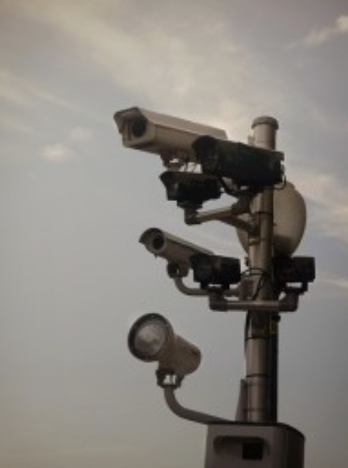
Researchers at New York University (https://www.nyu.edu/) are using ‘SeeUnsafe’ to systematically record accident black spots using countless videos from traffic cameras. Until now, this has been impossible because there are far too few people who can view and evaluate the recordings. ‘In New York City, thousands of cameras are in operation around the clock. It is impossible to manually review and analyse all this footage,’ says expert Kaan Ozbay.
Cost-effective road safety
SeeUnsafe aims to offer urban planners a highly effective way to make full use of all the information available. The system works on the basis of artificial intelligence (AI), which uses visual intelligence to automatically detect collisions and near misses in existing traffic footage.
These passages are then evaluated by human traffic planners and used as a basis for improvements. ‘This could revolutionise the way cities improve traffic safety without major new investments,’ Ozbay emphasises.
Training data for autonomous cars
Ozbay and his team trained SeeUnsafe using the Toyota Woven Traffic Safety (WTS) dataset. This consists of numerous videos showing the interaction between pedestrians and vehicles in real-life traffic situations. WTS was actually developed to train autonomous vehicles.
Prepared in this way, SeeUnsafe correctly classified almost 77 per cent of the recorded traffic situations as collisions, near misses and normal traffic. The system also identifies road users who cause critical situations and accidents. The hit rate is up to 87.5 per cent.
Preventive measures now possible
Traditionally, road safety measures are only implemented after accidents have occurred. By analysing near misses, such as vehicles driving too close to pedestrians and cyclists or performing risky manoeuvres at intersections, authorities can proactively identify danger zones.
This approach enables the implementation of preventive measures such as improved signage, optimised traffic light timing and redesigned road layouts before serious accidents occur, say the scientists.
The system generates road safety reports that take into account factors such as weather conditions, traffic volume and the specific movements that led to near misses or collisions. This is done in natural language so that any traffic planner can understand it right away, they say.

