German football club installs more than 2,000 digital locks from iLOQ in its 54,042-seat Borussia-Park stadium
The German Bundesliga club has fully equipped its 54,042-seater stadium with battery-free smart locks from iLOQ. In addition to ensuring that staff and players have access to the facilities they need with a single key, the VIP area has been equipped with S50 locks with mobile access, giving ticket holders flexible and easy access to lounges and premium seating.
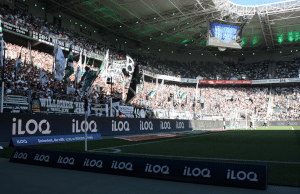
Mönchengladbach, Germany (February 27, 2026) German football club Borussia Mönchengladbach has successfully completed the modernization of its access management infrastructure throughout the stadium with the installation of digital access systems at Borussia-Park. The battery-free access solution from Finnish access technology company iLOQ has been installed on every door in the stadium, replacing a total of more than 2,000 mechanical locks. The new systems offer players, staff, facility managers, and fans a whole new level of access management, ensuring that the right people always have access to the areas they need.
The introduction of iLOQ systems also positively impacts the fan experience at the club, as advanced mobile access barriers have already been installed for VIP areas. This allows fans to move freely between VIP areas and other parts of the stadium and grants access to other people in their group via their smartphone. It also eliminates the need for staff to accompany fans between turnstiles.
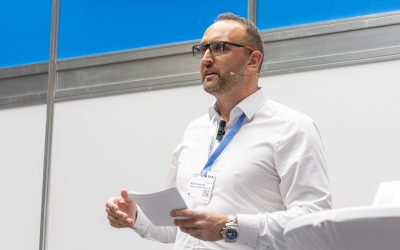
“Digital access management at Borussia-Park is part of our efforts to combine tradition and modernity,” says Patrick Herrmann, National Sales Manager and former professional player at Borussia Mönchengladbach. “Our partnership with iLOQ has given us the opportunity to make access as easy as possible for our players and staff so that they can focus on what matters most: giving our fans the experience they come here for every week.”
Large stadiums and sports venues have complex security requirements, as thousands of people need access to certain areas at any given time. Even on non-match days, players, staff, and facility managers use various areas of the stadium for treatments, training, maintenance, and preparations to welcome fans. With mechanical locking systems, this would require a large number of different keys to meet the needs of each individual. This resulted in a complicated, multi-layered access system, as well as time-consuming manual key tracking and costly lock replacement when keys were lost.
The switch to a digitally managed access system means that facility managers can easily grant, change, or revoke access for individual key holders as needed, while maintaining control over which employees have access to specific areas of the facility. Access permissions are tailored to roles and schedules, reducing administrative overhead and security risk.
Borussia Mönchengladbach is a forward-thinking club, and we quickly realized that this could be the perfect partnership. With our systems, we are helping the club take its incredible stadium to a new level and enhance the stadium experience without compromising the fan experience. As a lifelong fan of Borussia Mönchengladbach, I can’t wait to see where this partnership will take us next,” says Sascha Hilgers, Managing Director of iLOQ Germany.
With more than 300 patents filed, iLOQ’s technology is uniquely positioned to replace outdated locking systems without creating new problems such as battery waste and increased maintenance costs. More than 10 million iLOQ smart locks are in use in over 55 countries, from football stadiums and protected cathedrals to residential buildings and critical infrastructure facilities.
“Large venues are facing increasing security requirements and operational complexity. Mechanical systems were not designed for dynamic, role-based access management,” Hilgers continues. “Our energy harvesting technology enables digital access management without batteries, reducing maintenance and lifecycle costs. The Borussia Park project shows how stadiums can modernize their existing infrastructure without extensive cabling or structural changes. We are seeing growing demand for similar conversions across the European sports sector.”